Hardwood Floors Installation vs. Engineered Wood Flooring
People searching for hardwood or engineered flooring installation are typically looking to upgrade or replace their floors, and local contractors can help them choose and install the best option for their space.
Deciding between hardwood floors installation and engineered wood flooring is a common consideration for property owners looking to enhance their spaces. Whether renovating a home or upgrading a commercial property, understanding the differences can help make informed choices that suit both aesthetic preferences and practical needs. Local contractors experienced in both types of flooring can provide valuable insights, ensuring the installation process aligns with the specific conditions of each property. Keep reading to explore the key factors that influence this decision and discover how professional installation services can bring your vision to life.
Property owners in the area often explore this topic to determine which flooring option offers the best balance of durability, maintenance, and style for their environment. Engineered wood flooring may appeal for its stability in areas prone to moisture, while traditional hardwood installation might be preferred for its timeless appeal and potential for refinishing. Connecting with local service providers who specialize in both options can help clarify these differences and guide the selection process. Continuing to read will provide practical information to support making the right choice for your space.
- Hardwood floors installation - homeowners considering a classic, durable flooring option often seek local contractors experienced in traditional hardwood installation methods.
- Engineered wood flooring - those looking for a stable, versatile flooring solution suitable for areas with moisture or uneven subfloors turn to local service providers skilled in engineered wood installation.
- Hardwood floors installation - clients upgrading or replacing existing floors may contact local pros who specialize in seamless hardwood fitting and finishing techniques.
- Engineered wood flooring - property owners wanting a quick, less invasive upgrade often prefer local contractors familiar with engineered flooring that minimizes subfloor preparation.
- Hardwood floors installation - individuals seeking a long-lasting, authentic wood appearance often work with local experts experienced in handling solid hardwood projects.
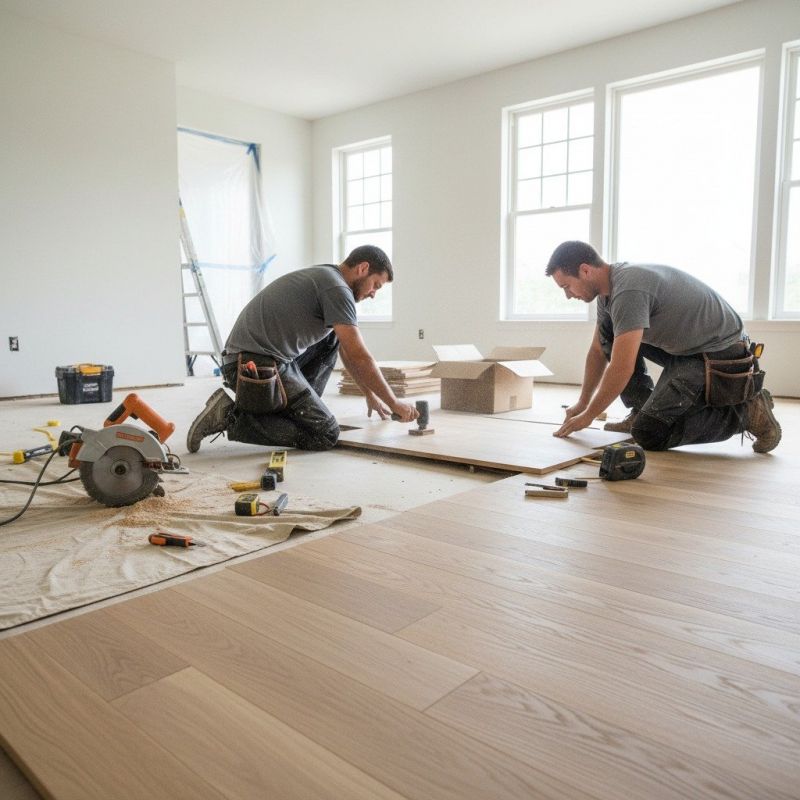
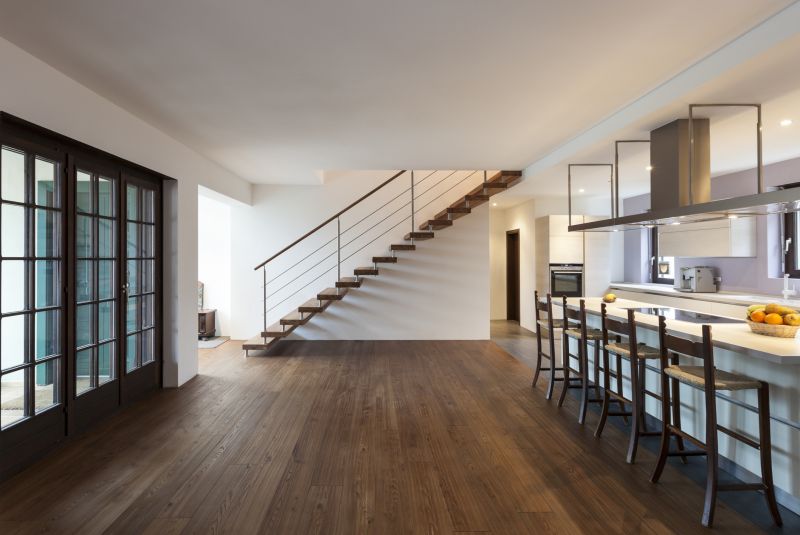
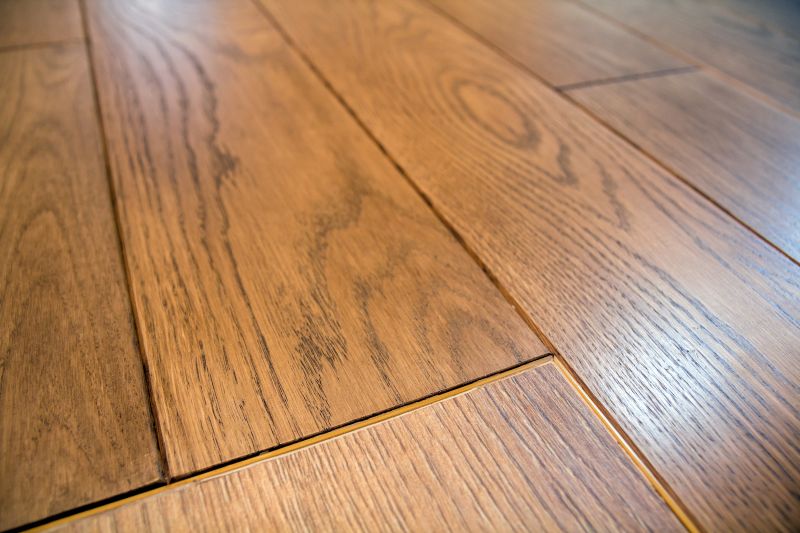
When homeowners search for information about hardwood floors installation versus engineered wood flooring, they are often trying to understand the fundamental differences between these two popular flooring options. The choice usually relates to a specific project or renovation goal, such as updating a living room, kitchen, or basement, where durability, appearance, and installation considerations matter. People might be exploring which type of flooring best suits their lifestyle, budget, or aesthetic preferences, and how each option impacts the overall look and feel of their space. This search often reflects a desire to make an informed decision about a significant home upgrade that can influence property value and daily comfort.
The decision between hardwood floors installation and engineered wood flooring is closely tied to the problems or plans homeowners have in mind. For example, those with existing concrete slabs or below-grade spaces may lean toward engineered wood because of its stability and moisture resistance. Conversely, homeowners seeking a traditional, authentic wood appearance with the option to sand and refinish multiple times might prefer hardwood flooring. These choices also connect to plans for long-term durability, ease of maintenance, and the type of wear and tear expected in the space. Local contractors who specialize in both types can help evaluate the specific conditions of a property and recommend the most suitable flooring solution.
Properties that typically come up in these discussions include residential homes, especially those with specific structural features or environmental conditions. For instance, homes with basements, radiant heating, or concrete subfloors often lead homeowners to consider engineered wood flooring due to its stability. On the other hand, high-end residences or spaces where a classic, timeless look is desired might see more demand for hardwood floors installation. The size, layout, and existing flooring conditions of a property can influence which option makes more sense, and local service providers can assess these factors to guide homeowners toward the best choice for their property.
Understanding how hardwood floors installation differs from engineered wood flooring helps homeowners connect their project plans with the right professionals. Whether the goal is to achieve a traditional look, address moisture concerns, or match existing decor, local contractors skilled in both types of flooring can provide valuable insights and quality installation. These experts can evaluate the specific needs of a property, recommend appropriate materials, and ensure the chosen flooring enhances the space’s functionality and appearance. By working with experienced service providers, homeowners can make confident decisions that align with their renovation goals and property conditions.
Subfloor Preparation Projects - installing hardwood or engineered wood floors requires precise subfloor preparation, a skill shared with many flooring and renovation jobs handled by local contractors.
Floor Repair and Refinishing - repairing or refinishing existing hardwood or engineered wood surfaces involves similar sanding, staining, and finishing techniques used in new flooring installations.
Underlayment Installation - laying underlayment for floors is a common step that overlaps with flooring installation, requiring knowledge of materials and proper placement.
Staircase and Railing Projects - installing staircases and railings often involves working with wood flooring materials and precise measurements, connecting to flooring installation skills.
Custom Woodwork and Molding - crafting and installing moldings, baseboards, and trim complements flooring projects and requires similar carpentry skills used in flooring installation.
Interior Renovation Projects - broad interior upgrades often include flooring as a key element, with local contractors coordinating different aspects of hardwood and engineered wood flooring work.

When comparing service providers for hardwood floors installation versus engineered wood flooring, it is important to consider their experience with similar projects. Homeowners should inquire about the types of flooring projects the local contractors have handled in the past, focusing on whether they have installed both hardwood and engineered wood floors. A contractor with a solid track record in these specific areas can offer insights into the unique requirements of each flooring type, ensuring that the installation process aligns with the material's characteristics and the homeowner’s expectations. This experience can help prevent common issues and contribute to a successful outcome, whether the project involves traditional hardwood or engineered alternatives.
Clear written expectations are essential when evaluating local service providers for flooring installation. Homeowners should seek detailed proposals that outline the scope of work, materials to be used, preparation steps, and finishing details. Having these expectations documented helps ensure that both parties are aligned on the project’s goals, reducing misunderstandings or surprises along the way. This clarity is especially valuable when choosing between hardwood and engineered wood flooring, as each has specific installation requirements and considerations. Well-defined expectations also facilitate smoother communication throughout the project, making it easier to address questions or adjustments as needed.
Reputable references and good communication are key factors in selecting reliable service providers for flooring installation. Homeowners should ask for references from previous clients who had similar flooring projects completed, as these can provide valuable insights into the contractor’s professionalism, quality of work, and adherence to timelines. Additionally, service providers who communicate clearly and promptly tend to be more responsive to questions and concerns, helping to build trust and confidence in the process. Whether installing traditional hardwood or engineered wood flooring, choosing local contractors with solid reputations and transparent communication can contribute to a more seamless and satisfactory experience.
Get a Quote for Hardwood Or Engineered Flooring Installation
Property owners often search for hardwood floors installation vs. engineered wood flooring when they are planning practical projects around their homes and businesses. Local pros provide Hardwood or Engineered Flooring Installation services for everyday jobs and straightforward project options.
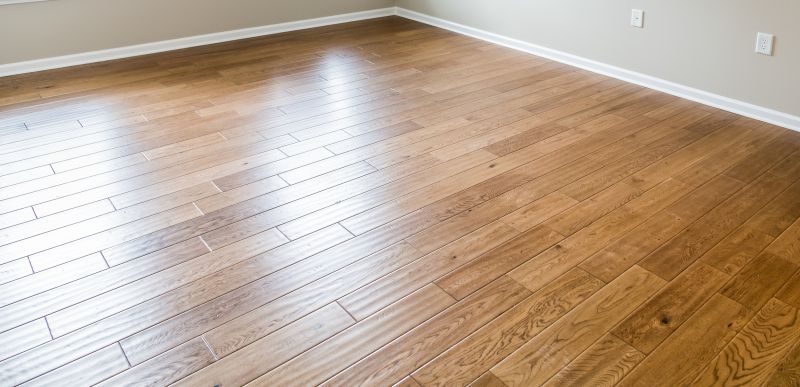
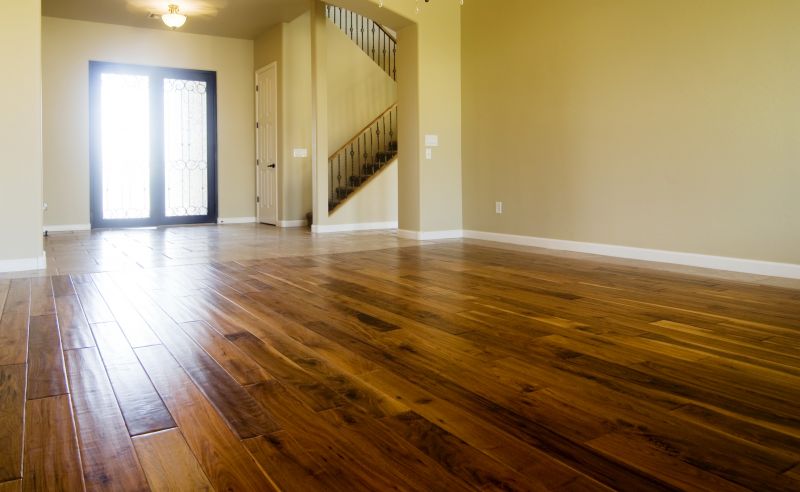
When considering flooring options for a home or renovation project, property owners often explore the differences between hardwood floors installation and engineered wood flooring. Hardwood floors provide a classic, authentic appearance and can increase the value of a property, making them a popular choice for those seeking durability and timeless style. Engineered wood flooring, on the other hand, offers a more versatile installation process and better stability in areas prone to moisture or temperature fluctuations. Homeowners in the area might look up this topic to better understand which type of flooring aligns with their lifestyle, budget, and the specific conditions of their space before connecting with local contractors who specialize in either or both options.
Many property owners seek guidance on whether hardwood or engineered flooring is the right choice for their particular project. Factors such as the subfloor type, room usage, and long-term maintenance often influence this decision. Local service providers can help evaluate these considerations and recommend the best flooring solution based on the property's needs. Whether installing new hardwood floors or opting for engineered wood, homeowners often turn to local pros to ensure proper installation and to achieve the desired aesthetic and performance. This research helps property owners make informed decisions and find experienced professionals who can handle the job efficiently and effectively.
Get a Quote for Hardwood Or Engineered Flooring Installation
What are the main differences between hardwood floors installation and engineered wood flooring? Hardwood floors installation involves placing solid wood planks directly on a prepared subfloor, while engineered wood flooring uses layered plywood with a hardwood surface, offering more stability in certain conditions.
Which type of flooring is more suitable for areas with high humidity? Engineered wood flooring typically performs better in humid environments due to its layered construction, making it less prone to expansion and contraction compared to traditional hardwood floors installation.
Can local contractors install both hardwood and engineered wood flooring? Yes, many local service providers are experienced in installing both hardwood floors and engineered wood flooring, allowing for professional installation tailored to specific needs.
Are there differences in the durability of hardwood floors versus engineered wood flooring? Hardwood floors are generally very durable and can be sanded and refinished multiple times, while engineered wood flooring offers good durability but may have limitations on refinishing depending on the thickness of the top layer.
What should be considered when choosing between hardwood floors installation and engineered wood flooring? Factors such as the location of installation, environmental conditions, aesthetic preferences, and the desired longevity can influence the choice, with local contractors providing guidance based on these considerations.
Choosing the right flooring type - property owners can evaluate their space and lifestyle needs to decide whether hardwood floors installation or engineered wood flooring suits their home best, with guidance from local contractors.
Assessing installation environments - understanding the location of the project, such as basements or areas with moisture, helps determine if engineered wood flooring or traditional hardwood is more suitable, with advice from local service providers.
Matching flooring with decor - property owners can select finishes and styles that complement existing interior design, with local pros providing options and recommendations for either hardwood or engineered wood flooring.
Planning for future updates - considering potential renovations or changes, property owners can choose flooring options that allow for easier modifications later, with insights from local contractors experienced in both installation types.
If you are thinking about hardwood floors installation vs. engineered wood flooring for a property, this guide is meant to help you understand this topic, the typical project types, and how different options might fit your plans.
When you are ready, you can use the quote form on this page to share a few details about your project. From there, local pros can review the basics and follow up with options that match what you have in mind.
Get a Quote for Hardwood Or Engineered Flooring Installation